


Weeks after a fatal incident, Stardust Racers is running again – but is it safe to ride?
It wasn’t supposed to be this way. Stardust Racers was supposed to be an intense but glittering jewel in the crown of Universal’s multi-billion-dollar Epic Universe investment.
The dual-launch coaster with intertwined tracks reaches speeds of 62 mph and heights of up to 133 feet. It isn’t the biggest, fastest or most intense track in Orlando, but it’s a serious coaster with a double launch, airtime hill and the double-helix-like intertwining spin.

The ride came with the pretty standard warning for guests with pre-existing conditions, stating the ride is “not for guests with back, neck, or similar physical conditions.” The ride’s general warning also prohibited guests who could not independently maintain an upright position or had weakened bones or muscles from riding.
Why is that important? We’ll get to that in a minute.
Even though the ride isn’t the fastest, the launches are intense. They have to be to get over the big hill. My understanding is the ride couldn’t back off that intensity much at all, or it would not clear the hill it needed to.
IN THIS ARTICLE
- Tragedy strikes Stardust Racers
- But is the ride safe?
- Does Universal Orlando bear any responsibility?
- What Now?
Tragedy strikes Stardust Racers
Why is any of this a topic of discussion? On Sept. 17, less than four months after the ride opened to the public, a rider named Kevin Rodriguez Zavala died after riding the coaster. Subsequent information revealed that the 32-year-old man had dealt with a spinal cord condition for most of his life and used a wheelchair to get around. According to information released, he was helped onto the ride.
What happened after is unclear. The autopsy indicated that Zavala suffered multiple blunt impact injuries. The prevailing assumption is he passed out from the intensity of the ride and was unable to protect himself, possibly hitting his head on the metal headrest.

After his death, Universal offered condolences and sympathies to the family, who began working with an area attorney. After multiple technical and operational reviews, park officials, the ride manufacturer, and an independent engineering expert said the ride operated as it should have.
It was reopened to the public with updated warnings and signage on October 4.
But is the ride safe?
First of all, that is not a question I am remotely qualified to answer. I do not believe Universal Orlando would expose itself to further legal action – not to mention public relations and questions of morality – if its experts did not assure the ride to be safe. However, I have recently begun to approach thrill rides with a certain level of caution myself – rides that would have been perfectly safe for me a decade ago.
I’m a rider of unusual size and don’t fit well on all the coasters. Over the years, I have made it a habit to squeeze myself in and ride whenever possible. However, recently, I have found myself enduring the rides more than enjoying them. When it comes to the most intense of rides, I’m begging off even if I could fit.
I grew up riding big coasters at Cedar Point and Kings Island and have always loved the thrill, but none of that is worth injury. A ride that would be 100 percent safe for much of the public might be dangerous for me, especially if I passed out.
I’m not here to judge Mr. Zavala and I don’t think anyone should, the jury remains out on whether or not his condition led to his death, after all.
But I will say those warnings exist for a real reason.
Does Universal bear any responsibility?
Again, that’s not my area of expertise. The courts or an out-of-court settlement will determine that. I will say, though, I’ve long been critical of Universal’s boilerplate ride warnings. Often, the same language was used across very different rides, probably at the legal department’s recommendation, but it left guests unsure whether they could or should ride.
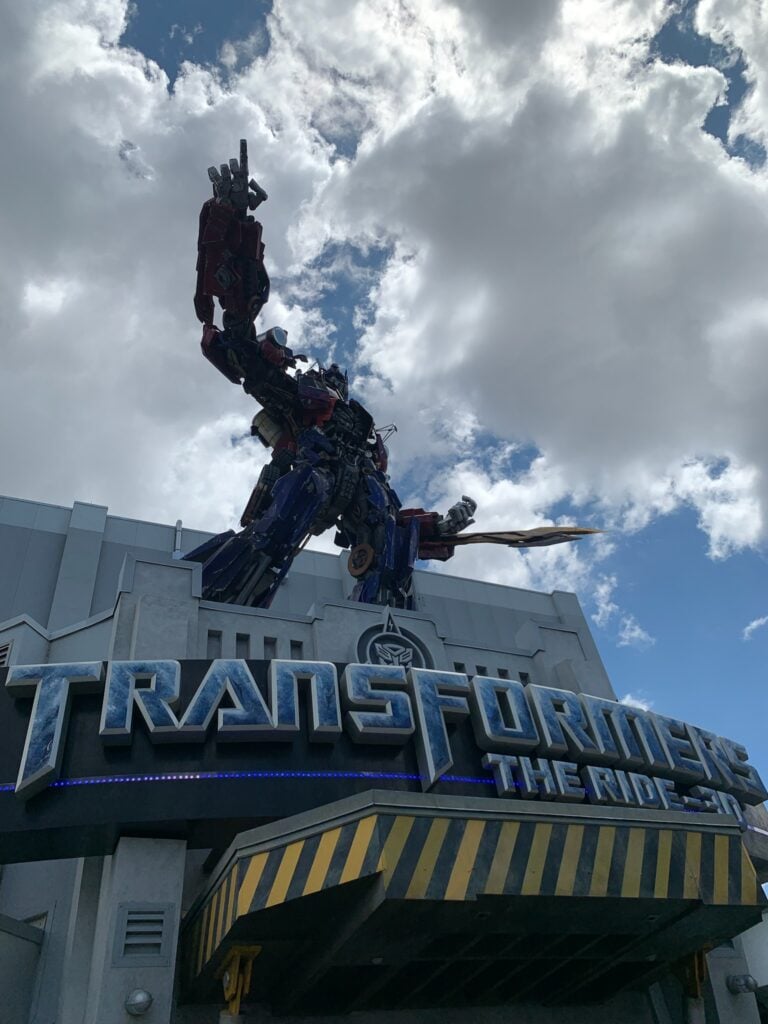
My own experience involved a lot of trial and error — or using the test seat when available — to decide if a ride was right for me. Even when the language wasn’t boilerplate, it was hard to gauge its accuracy. For example, when we first read the disclaimer for TRANSFORMERS: The Ride – 3D, we hesitated, especially for my son. A team member reassured us, and it turned out to be far less intense than the warning suggested.
I appreciated when Universal updated the language for Stardust Racers. Not that it was wrong before, but I believe ride warnings should be as accurate as possible. Of course, that doesn’t assign responsibility for Mr. Zavala’s tragic death — that will be determined by the legal process.
What Now?
We’ll see. The ride is open. After the incident with Mr. Zavala, others reported minor injuries or discomfort after riding, one of whom has reportedly settled out of court.. My guess is that the case will reach a point where it makes financial sense – and public relations sense – for Universal to reach a settlement with the family. But we’ll see.
